
Inspiration from the Incans: the Global CBPRs and building Data Roads
(This blog summarizes keynote remarks delivered at the Global CBPR Forum on 24 March 2026.)
It is in our human nature to forge connections. Across history, our ingenuity—and our instinct to exchange ideas, goods, and culture with others—has prevailed despite the obstacles and the recurring temptations to do otherwise. Time and again, those efforts have yielded profound and lasting benefits for societies and economies alike.
Many might assume that the Great Wall of China represents humanity’s most significant feat of large-scale engineering. Stretching thousands of miles and visible from space, it remains a powerful symbol of a civilization seeking to define, defend, and fortify its borders.
Yet the longest man-made construction in history is not a wall, but a network of roads—designed to facilitate communication, commerce, and cultural exchange—extending roughly 25,000 miles, nearly twice the length of the Great Wall.
Fitting, then, that the Spring 2026 Global CBPR Forum, which includes, as part of its mission, the facilitation of the free flow of data and effective data protection and privacy globally, was held in Lima, Peru. Peru once sat at the heart of one of the longest and most sophisticated road systems ever built: the Andean Road System, often referred to as the Inca Trail.
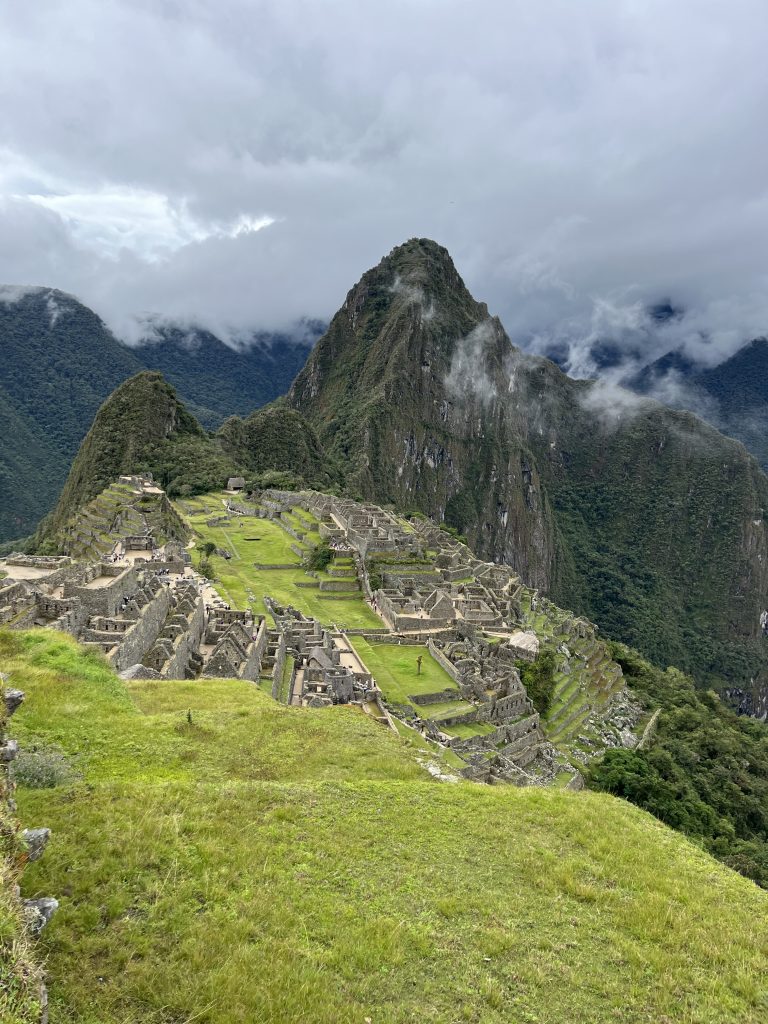
(Machu Picchu, Peru, by Joe Jones, March 2026.)
Constructed over several centuries, this extraordinary network connected an empire across one of the world’s most extreme and diverse geographies. Using varied construction techniques—bridges, stairways, drainage systems, and cobblestone paving—the Incas linked snow-capped Andean peaks, many rising above 6,000 meters, to fertile valleys, dense rainforests, arid deserts, and the Pacific coast.
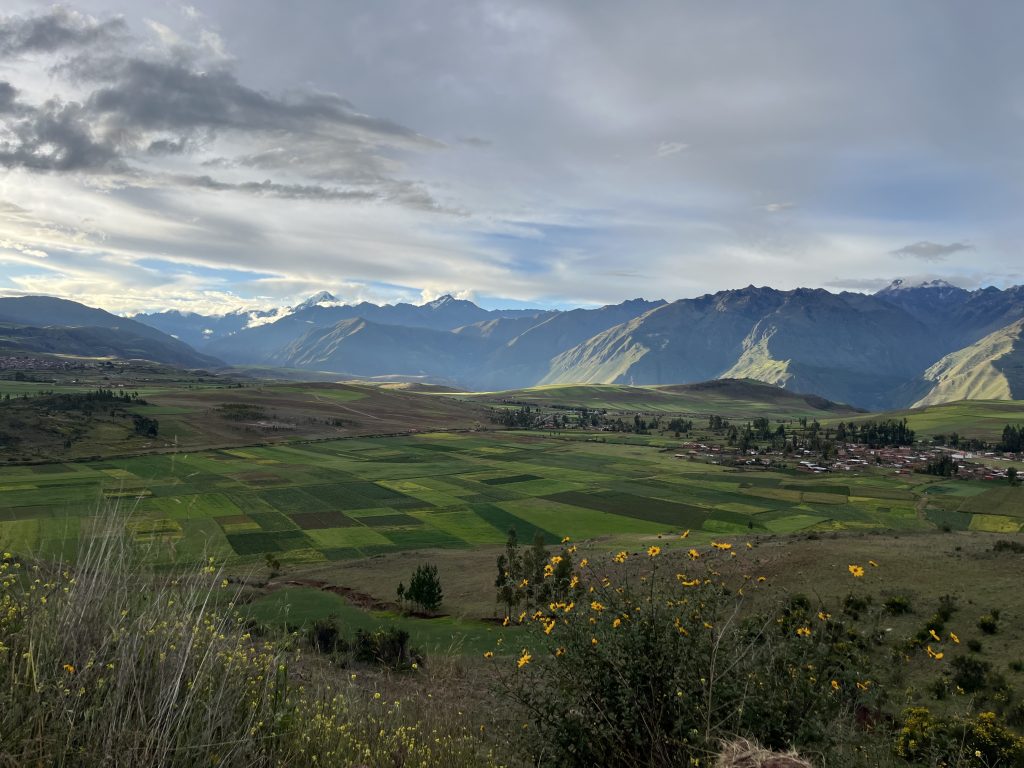
(Sacred Valley, Peru, by Joe Jones, March 2026.)
More than infrastructure, the Andean Road was a manifestation of political will, backed by human engineering. It enabled governance across vast distances, the rapid signaling of threats, economic integration, cultural cohesion and societal prosperity.
Roads That Shaped Civilizations
Throughout history, road systems, as clearly-demarcated and governed highways of trusted passage and exchange, have repeatedly propelled human flourishing and economic development.
Salt
For much of history, salt was a vital and highly valuable commodity, worth its weight in gold. In fact, it has been referred to as “white gold.” Such was its value that, according to Pliny the Elder, Roman soldiers were even paid in salt, giving rise to the Latin salarium and, ultimately, today’s word salary.
Salt’s importance extended far beyond today’s more familiar use as a seasoning. Its ability to preserve food fundamentally reshaped civilization, reducing dependence on seasonal harvests and enabling the long-distance transport and trade of sustenance. Because it was often difficult to obtain, salt itself became a driver of trade, wealth, and power. Thus emerged the “salt roads,” which crisscrossed continents and helped build empires in West Africa and Europe alike. The Via Salaria—one of ancient Rome’s most prolific salt roads—remains, to this day, a major artery leading to the capital.
Silk
While not as extensive in length as its Andean cousin, the Silk Road was no less transformative. Active from the second century BCE until the mid-fifteenth century, it was not a single road but a sprawling network of land routes stretching more than 4,000 miles, predominantly across Asia.
Silk, tea, dyes, perfumes and Confucianism moved westward from China to Rome, Egypt, and Greece. Wools, camels, horses, precious metals—and Christianity and Buddhism—traveled eastward from Europe and India. In doing so, the Silk Road transformed the great Eurasian civilizations and their respective marketplaces of commerce, culture, and thought.
The Case for Data Roads
Today, commentators frequently aggrandize and analogize the value—if not the power—of data to oil, gold, or other precious commodities. Data is described as the fuel powering the digital economy and enabling an increasingly interconnected world of unprecedented scale and speed.
So, how then is data traversing the globe, reaching actors which can agree as well as add on to its value, while steering clear of those that might compromise its protection? What and where of our data roads?
As is often the case, the law often lags in its management of emerging opportunities and risks. Global regulatory efforts to create point-to-point data pathways—most notably through data ‘adequacy’ and contractual arrangements—have achieved mixed results. That is perhaps unsurprising. Navigating the regulatory, political, and organizational terrain of cross-border data transfers is inherently complex, sensitive, and resource-intensive. Much like traversing the topography encountered by the Incans. In response to these challenges—and to concerns about security, sovereignty, and standards—many contemporary policies emphasize keeping data local and tightly controlled. For some, Great Walls of Data appear to offer greater perceived comfort, if not certainty, than the perceived risks of building and traversing data roads.
The builders of the Incan, salt, and Silk roads understood that diversity across regions need not be a barrier or a threat, but an opportunity to connect and utilize the scale and strength of different actors. They recognized that prosperity followed connection—and that connection required ambition, durable infrastructure, and clear rules of the road. These rules enabled scale, trust, security, and sustained exchange.
By working to promote the interoperability of privacy protections across borders, the Global CBPR Forum is channeling that same spirit of Incan ingenuity and initiative to build roads for trusted data flows. Our history as road builders stands the Forum in good stead.
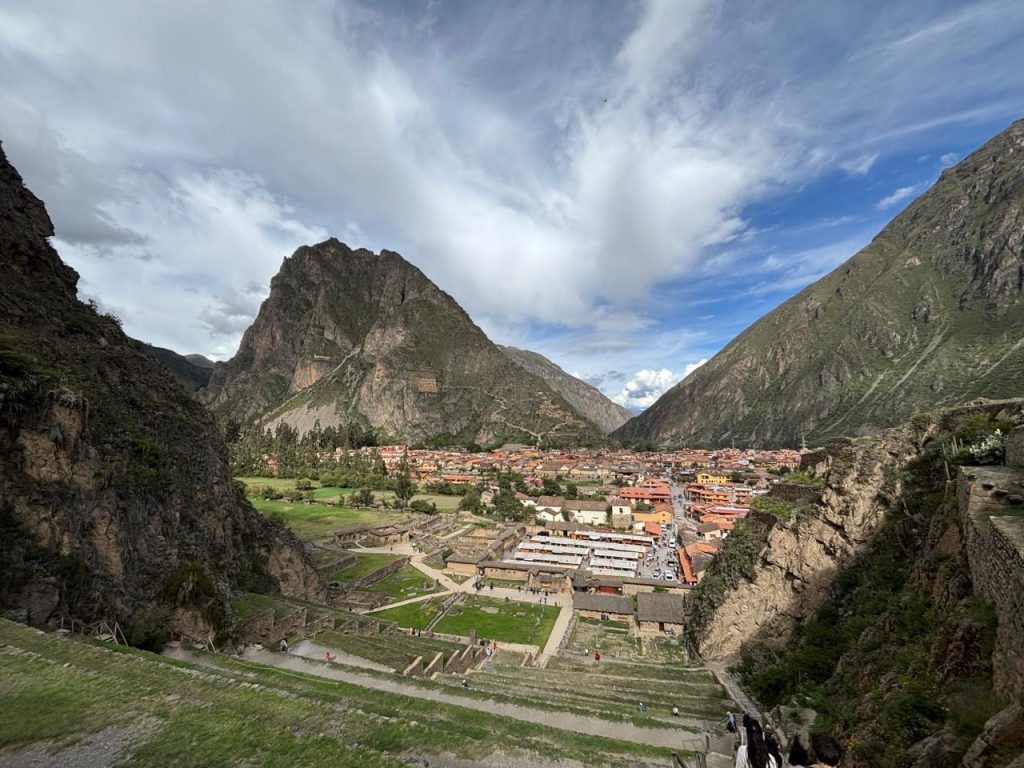
(Ollantaytambo, with Inca Trail in the background, Peru, by Joe Jones, March 2026.)